Blog
Which Boiler Type Is Best for Your Home? A Property-by-Property Guide
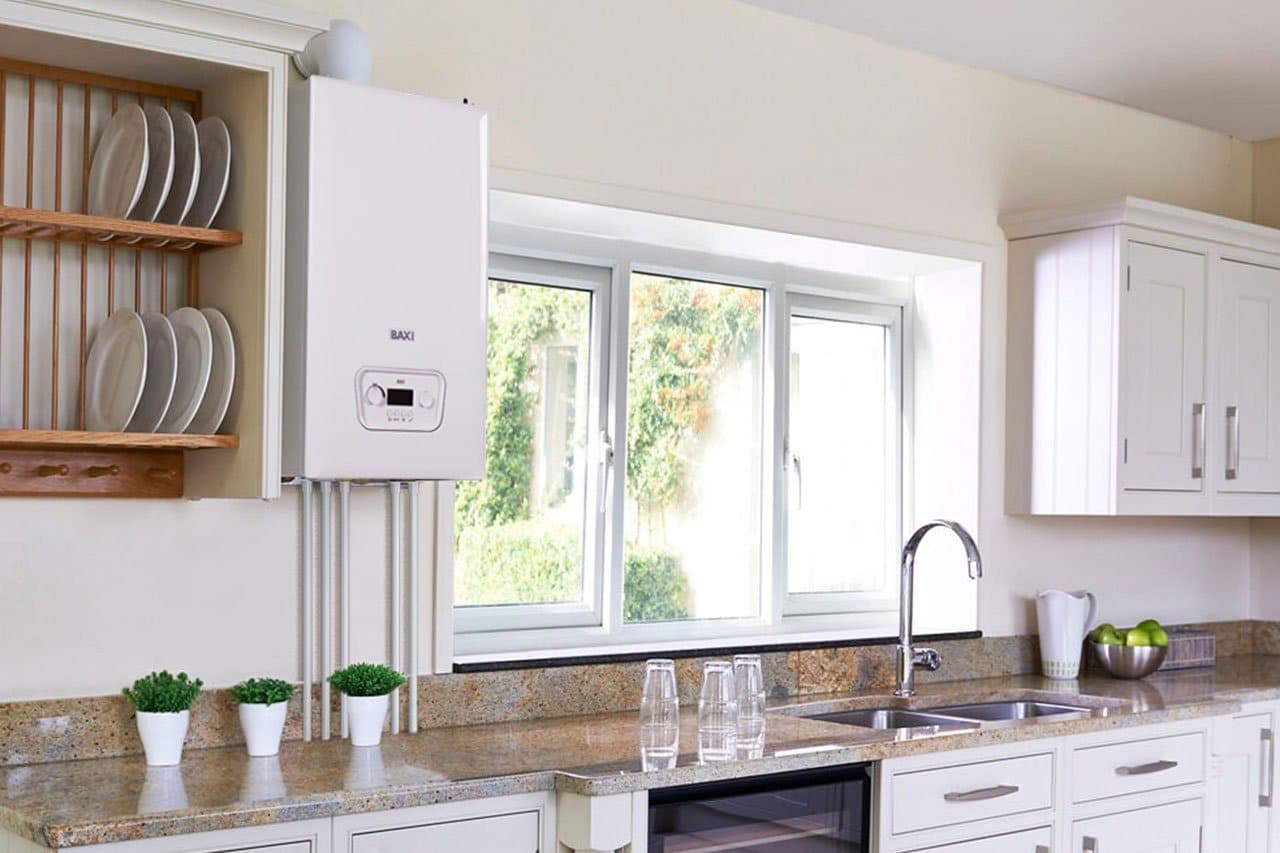
The best boiler choice depends on how your home uses heat and hot water, and on what the existing system can support. Two properties with a similar number of bedrooms can need different arrangements if one has several bathrooms, limited space or a different incoming water supply.
For homeowners in Eastbourne, it helps to consider the whole heating system rather than choosing a boiler by its label alone. Here are the property factors that make the biggest difference.
Start with how your household uses hot water
A combi boiler heats water as you need it, without storing a separate cylinder of hot water. That can suit a home where demand is modest and hot water is generally used at one outlet at a time. It also avoids needing space for a cylinder.
The trade-off is that the boiler has to meet hot water demand as it happens. If showers, taps and appliances are likely to draw hot water at the same time, the available flow is shared between them. The number of bathrooms is a clue, but household routines matter too. A home with several occupants following the same morning routine may put more pressure on instantaneous hot water than a larger household with staggered use.
A system boiler works with a hot water cylinder. Stored hot water can serve more than one outlet at once, which may make this arrangement a better fit where simultaneous demand is common. The cylinder has to be sized for the household's likely use, and it needs a suitable place in the property. Storage also means thinking about how quickly the cylinder can heat the water again after heavy use.
Check the incoming water supply
A boiler cannot compensate for limitations in the water supply to the property. Mains pressure and flow affect how well a combi can deliver hot water, particularly when more than one outlet is open. These are different measurements: pressure describes the force of the water, while flow describes how much water arrives over time.
That distinction matters because a property may appear to have good pressure at one tap but still have restricted flow when demand increases. The supply should be assessed before choosing a boiler on the assumption that a combi will meet every hot water need. Where supply characteristics limit performance, the system design may need to account for that rather than relying on a higher boiler output alone.
Look at the existing layout and pipework
The current system can influence what is practical. A home with a cylinder and existing pipework arranged around stored hot water may be better suited to retaining that type of setup. In another property, removing storage may free useful space, provided the incoming supply and household demand make a combi suitable.
Older homes can have pipework, tanks or radiators that have been altered over time. A boiler choice made without considering those parts risks treating the appliance as if it works in isolation. The heat source, distribution pipework, radiators and controls all have to work as a system. If you are renovating or changing the layout, it is worth considering the intended final arrangement, not just the current one.
Match heating output to the building
A larger boiler is not automatically the better choice. The heating requirement depends on how quickly the property loses heat, which is affected by its size, layout, insulation and windows. Room use and radiator capacity also matter. If output is selected only by counting bedrooms or copying the rating of an old boiler, the new system may not be properly matched to the home.
Heating demand and hot water demand are related, but they are not the same question. A household might need substantial stored hot water while the building itself requires a more modest heating output. Separating those requirements helps avoid choosing a boiler based on one number that does not describe the whole property.
When a conventional system may remain relevant
A conventional boiler works with a hot-water cylinder and separate tanks for the heating system. This arrangement can suit some properties with existing systems built around those components. Whether it remains the right option depends on the condition and layout of the system, available space and how the household uses hot water. It should not be selected simply because it is already there, nor ruled out without considering the consequences of changing the wider installation.
The useful decision is not which boiler type is best in general, but which arrangement fits your supply, space, pipework and household routine. Our Gas Safe registration is relevant when the work involves a gas boiler, and at AC Plumbing & Heating we can help you assess the factors that shape a suitable domestic installation in Eastbourne. Read our Domestic Heating Installations page for an overview, or contact us to discuss your property.
Other Articles


