Blog
What to Check Before Work on Unvented Cylinders
What our unvented cylinder qualification means
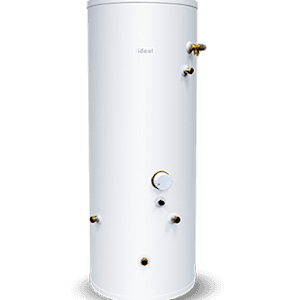
An unvented cylinder stores hot water in a sealed vessel supplied from the mains. That arrangement can deliver strong water flow, but it also means the cylinder and its safety components need to be treated differently from an ordinary storage tank.
Yes, we hold a BPEC Unvented G3 certificate (a qualification for work on unvented hot water cylinders), with a Megaflo and unvented hot water qualification. That is relevant to work on unvented hot water cylinders. It is not a reason to assume that every cylinder, control or fault is the same: the actual equipment and installation still need to be identified before work is planned.
If you are responsible for a commercial property in Eastbourne, a few safe observations can help us understand what is installed and what needs attention. They cannot replace an assessment by a suitably qualified engineer.
What you can check without opening the system
Find the cylinder information
If the cylinder is in an accessible plant room (a room where building equipment is kept) or cupboard, look for its external label or identification plate. You may be able to note the manufacturer and model without moving equipment or removing a cover. A photograph of the label can be useful when arranging a visit.
Also note where the cylinder is located and which areas or facilities it supplies. In a commercial building, this helps establish whether the hot water serves one washroom, several outlets or a wider part of the premises. Do not enter a restricted plant area or move stored items if doing so would put you at risk.
Describe what has changed
Make a short record of the problem rather than trying to diagnose it. For example, note whether hot water has stopped, become inconsistent, or is affecting particular outlets. Include when you first noticed the change and whether it affects the whole building or only one area.
If you can see water escaping from a pipe or around the cylinder, keep clear and report where it is coming from. Do not block or cap a discharge pipe (the outlet pipe that carries water away from the cylinder), even if the flow looks inconvenient. It may be part of the system’s safety arrangements. If there is a significant leak or immediate risk to people or property, follow your site’s emergency procedure and contact an appropriate professional.
Gather useful records
If available, have the cylinder manual, previous service records or installation information ready. These may show the model, controls and any earlier work. Missing paperwork does not mean you should investigate inside the unit. An engineer can assess the installation on site.
This information is particularly useful in commercial premises where systems may have been altered over time, or where a facilities team has inherited equipment without a complete handover. A clear account of what is known, and what is not, is more useful than a guess about the cause.
Where your checks should stop
Do not remove the cylinder casing, alter controls, adjust pressure settings or attempt to service safety devices. Do not work on electrical components or pipework. The fact that a control looks straightforward does not make it safe to alter: settings and components are part of a pressurised hot water system, and incorrect interference can create a risk or make the fault harder to assess.
Your role is to report what you can see and describe what the building is experiencing. Our role is to establish what type of cylinder and controls are present, assess the reported issue and determine what work is appropriate. The exact checks depend on the equipment and the condition of the installation, so a label or symptom alone cannot confirm the cause.
Choosing the right help for a commercial site
When arranging work, ask whether the engineer has the relevant unvented qualification, and explain that the property has a commercial hot water system. Give the cylinder details if you have them, outline which outlets are affected and mention any visible leak or unusual change. That helps the person attending prepare for the right assessment without you needing to interfere with the system.
Our BPEC Unvented G3 certificate and Megaflo/unvented hot water qualification are directly relevant to this work. We provide commercial plumbing and heating services in Eastbourne and nearby areas. For an overview of the wider service, visit our Commercial Plumbing & Heating page.
If you are unsure whether your cylinder is unvented, leave the equipment untouched and share what you can safely observe. Here at AC Plumbing & Heating, we can use that information to understand the system and discuss the next step.
Other Articles


